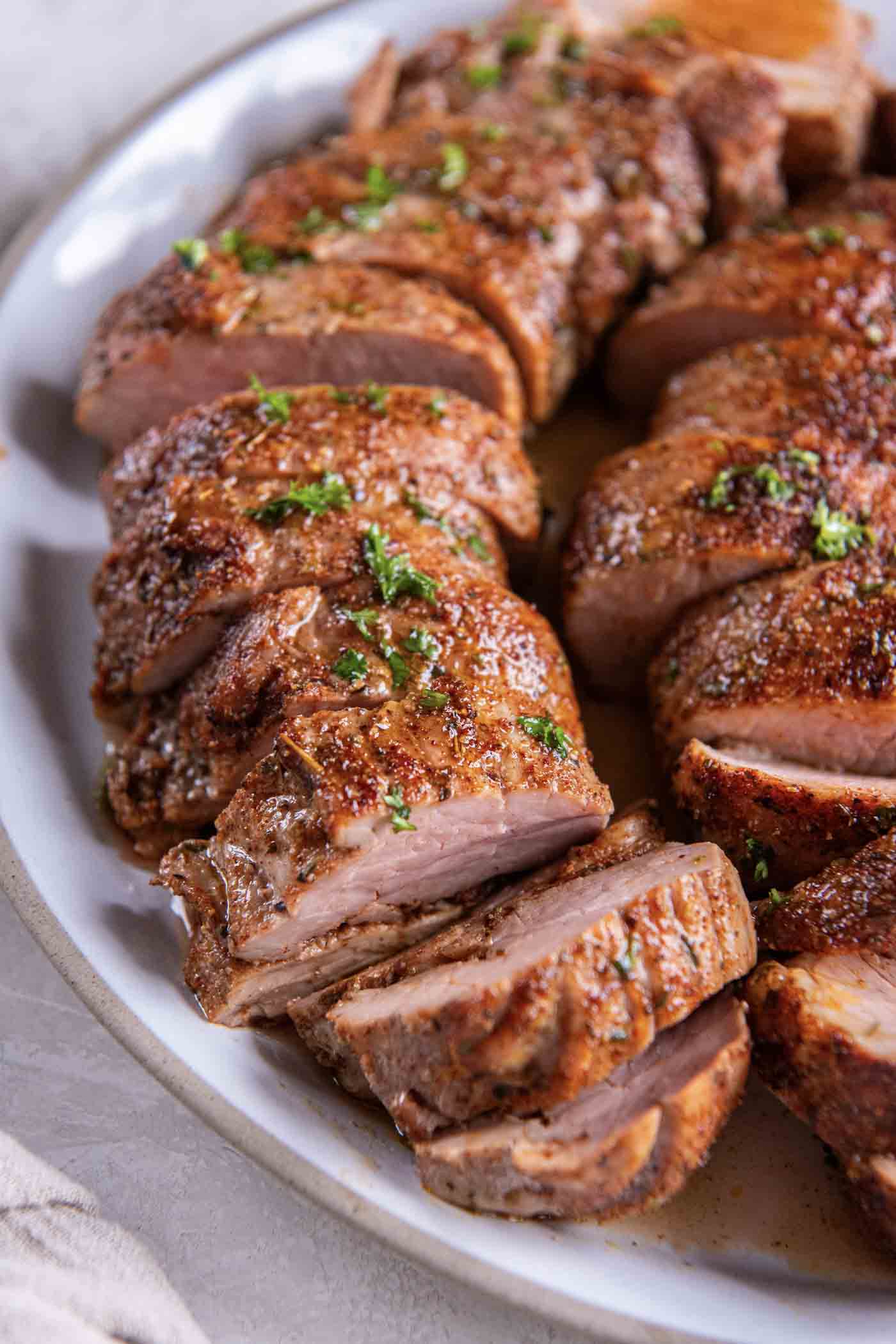
The 400°F Difference: Unlocking Tender, Juicy Baked Pork Tenderloin Every Time
Imagine a perfectly cooked pork tenderloin: a beautifully browned, slightly crisp crust giving way to an interior so tender and juicy it practically melts in your mouth. This isn't a culinary dream reserved for professional chefs; it's a consistent reality you can achieve in your own kitchen with our definitive baked pork tenderloin recipe. Drawing from years of experience on the demanding Southeast BBQ circuit and perfecting techniques handling thousands of pounds of pork, we've distilled the "secret" to consistent success into one critical element: a precise 400°F oven temperature.
This method isn't just about throwing pork in the oven; it's a carefully orchestrated dance of heat and seasoning that guarantees an impressive dish every single time. Forget dry, flavorless pork. This baked pork tenderloin recipe delivers a satisfying dining experience that's both elegant enough for special occasions and simple enough for a quick weeknight dinner. Let's dive into the science and technique behind this culinary revelation.
Why 400°F Is Your Secret Weapon for Tenderloin Perfection
The magic of our baked pork tenderloin recipe truly begins with the oven preheated to a blistering 400°F. This isn't an arbitrary number; it's a strategic temperature chosen for its ability to produce superior results compared to lower-heat methods. Here's why 400°F is the game-changer:
- The Maillard Reaction Marvel: High heat is crucial for triggering the Maillard reaction – the complex chemical process responsible for that irresistible golden-brown crust and savory flavor development. Lower temperatures might cook the pork through, but they won't achieve the rich caramelization that defines truly exceptional roast meats.
- Speed and Moisture Retention: Pork tenderloin is a lean cut, meaning it can dry out quickly if cooked too slowly. The high heat of 400°F cooks the tenderloin rapidly, sealing in its natural juices before they have a chance to escape. This quick cook time (typically 20-25 minutes) is key to a moist, tender interior.
- Even Cooking: When combined with an initial sear (which we'll cover shortly), this high oven temperature ensures that the pork cooks evenly from edge to center, preventing overcooked exteriors and undercooked centers.
This temperature, perfected through countless trials and even competition wins, is fundamental to creating a tender and juicy pork tenderloin that consistently wows.
Crafting the Irresistible Spice Rub and Essential Prep
While the temperature does much of the heavy lifting, the flavor foundation for this magnificent baked pork tenderloin recipe is built upon a simple yet potent spice rub. This blend, honed over years, enhances the pork's natural flavors without overpowering them.
The Quintessential Spice Blend:
Our go-to rub combines:
- Paprika: Contributes a vibrant color and a subtle, sweet, peppery warmth.
- Dried Thyme: Adds an earthy, aromatic note that complements pork beautifully.
- Salt: Essential for seasoning, tenderizing, and drawing out moisture from the surface to promote better browning.
- Black Pepper: Provides a classic, sharp counterpoint to the other spices.
- Mustard Powder: A secret weapon! It adds a delicate tang and acts as an emulsifier, helping to create that perfect crust.
Mix these spices together in a small bowl until thoroughly combined. A fork works perfectly for this.
Expert Preparation for Optimal Results:
- Choose Your Pork Wisely: Start with a high-quality pork tenderloin. Look for meat that is bright pink with minimal silver skin or excess fat. While supermarket options are perfectly fine for a weeknight, visiting a butcher or specialty store like Whole Foods can sometimes yield even better cuts. Pre-trimmed tenderloins are a time-saver!
- Pat It Dry: This step is non-negotiable. Using paper towels, thoroughly pat the pork tenderloin dry on all sides. Moisture on the surface inhibits browning, and a dry surface allows the spice rub to adhere much better.
- Rub Generously: Don't be shy here! Apply the spice mixture all over the pork tenderloin, pressing it in gently with your hands to create an even, flavorful coating. Every inch should be covered.
- Room Temperature Rest: Let the seasoned pork tenderloin rest at room temperature for at least 30 minutes before baking. This crucial step allows the meat to relax, absorb the flavors, and ensures more even cooking when it hits the heat. Cold meat cooks unevenly and takes longer to reach the desired internal temperature.
Your Step-by-Step Journey to a Masterful Baked Pork Tenderloin
Now that your pork is seasoned and ready, it's time to bring it all together. This method, a favorite of ours and many others, including those who rave about our BBQ Pro's Baked Pork Tenderloin: Quick, Juicy, Every Time, guarantees a tender and juicy baked pork tenderloin every single time.
- Preheat Oven & Skillet: Preheat your oven to a blazing 400°F. While the oven heats, place an oven-safe skillet (cast iron or heavy-bottomed stainless steel works best) over high heat on your stovetop. Add 2 tablespoons of olive oil and heat until it's shimmering and just starting to smoke.
- The Critical Sear: Carefully place the seasoned pork tenderloin into the hot skillet. Sear it on all sides until a beautiful golden-brown crust forms, typically 2-3 minutes per side. This searing step is paramount – it locks in juices and creates a depth of flavor and texture that baking alone cannot achieve.
- Into the Oven: Once seared, transfer the skillet directly into your preheated 400°F oven. Bake for 20-25 minutes. The exact timing will depend on the thickness of your tenderloin and your oven's calibration.
- Check for Doneness: The definitive way to ensure your pork is perfectly cooked is to use a meat thermometer. Insert it into the thickest part of the tenderloin. You're aiming for an internal temperature of 145°F. This temperature ensures doneness while preserving maximum juiciness. Remember that pork will continue to cook slightly after being removed from the oven (carryover cooking).
- The Indispensable Rest: This is arguably the most critical step for juicy results. Once the pork reaches 145°F, remove the skillet from the oven and transfer the tenderloin to a cutting board. Tent it loosely with foil and let it rest for 5-10 minutes. During this time, the muscle fibers relax, allowing the juices to redistribute throughout the meat, preventing them from spilling out when you slice.
- Slice Against the Grain: Finally, slice your perfectly cooked pork tenderloin against the grain into medallions. Slicing against the grain shortens the muscle fibers, making each bite incredibly tender.
Elevate Your Dish: Pro Tips, Pairings, and Storage Secrets
Achieving a truly tender and juicy baked pork tenderloin isn't just about the recipe; it's about understanding the nuances and making it your own. Here are some additional tips to elevate your culinary game:
- Spice Rub Variations: While our core rub is stellar, feel free to experiment. Add a pinch of cayenne pepper for a subtle kick, or a touch of garlic powder and onion powder for more savory depth. A hint of brown sugar in the rub can also enhance browning and add a lovely sweetness, though it can be adjusted to your preference.
- Flavor Enhancers: If you're out of Worcestershire sauce (often used in marinades or pan sauces for pork), soy sauce or tamari can be excellent substitutes, but start with half the amount as they are saltier. Fresh herbs like rosemary or sage can be added to the skillet during the searing process for an extra layer of aroma.
- Perfect Pairings: This incredibly versatile oven-baked pork tenderloin pairs beautifully with a wide array of sides.
- Roasted Vegetables: Potatoes, asparagus, Brussels sprouts, or carrots roasted alongside the pork (or separately) are fantastic.
- Creamy Sides: Classic creamy mashed potatoes, polenta, or even a rich risotto.
- Fruity Accents: Apple chutney, roasted apples, or a cherry reduction sauce provide a lovely tart-sweet counterpoint.
- Grains: Wild rice pilaf or couscous can round out the meal perfectly.
- Storage & Reheating: Leftovers of this baked pork tenderloin recipe are a delight!
- Refrigeration: Store cooked and cooled pork in an airtight container in the fridge for 3-4 days.
- Freezing: For longer storage, slice the tenderloin and freeze individual portions in airtight containers or freezer bags for up to 3 months.
- Reheating: Gently reheat sliced pork in a microwave, or for best results, in a covered dish in a 300°F oven with a splash of broth or water until just warmed through to prevent drying out.
Conclusion
The quest for a tender and juicy baked pork tenderloin ends here. By understanding the power of a 400°F oven, mastering a simple yet effective spice rub, and following the crucial steps of searing, baking, and resting, you can consistently create a dish that's both impressive and incredibly satisfying. This isn't just a recipe; it's a technique honed by experience, designed to bring out the very best in this versatile cut of meat. So go ahead, unlock the 400°F secret in your kitchen, and prepare to enjoy pork tenderloin perfection.
